MINI SPORT GVC2022 Saloon Rear Brake Cable
fits model: Classic. year: 1976.
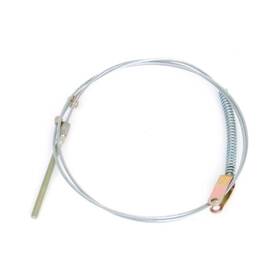
( Brand: Mini Sport ), ( Manufacturer Part Number: GVC2022 ), ( Type: Brake Cable Kit ), ( Items Included: Parking Brake Cable ), ( Placement On Vehicle: Rear )
Review MINI SPORT Saloon Rear Hand Brake Cable Pre New fits CLASSIC 1976
The **Mini Sport GVC2022 Classic Saloon Rear Brake Cable (1976)** is a meticulously crafted, high-performance replacement part designed to restore the original braking precision and reliability of your iconic 1976 Mini Cooper S or Mini Clubman GT. Engineered to exacting specifications, this brake cable is a direct fit for the rear brake system of your classic Mini, ensuring seamless integration with the drum brakes while maintaining the timeless mechanical elegance of the original design. Constructed from premium-grade, corrosion-resistant steel, the cable features a robust, polished outer sheath and a finely machined inner wire, both of which are treated to resist wear and rust critical factors for maintaining optimal braking performance over time. The cable s design incorporates a smooth, low-friction operation, allowing for crisp, responsive pedal feel and consistent brake modulation, which is essential for both daily driving and spirited cornering on winding roads. Whether you re restoring a showroom-quality Classic Saloon or upgrading an existing brake system for improved safety and handling, this cable delivers the durability and performance expected from a genuine Mini enthusiast s choice. Its compatibility with the 1976 model s rear brake assembly ensures that every adjustment and installation adheres to the original engineering principles, preserving the integrity of your vehicle s heritage while enhancing its functionality. Perfect for mechanics, restorers, and drivers who demand nothing less than perfection, this brake cable is a testament to the enduring legacy of the Mini s mechanical brilliance.
### Pros and Cons of Buying a 1976 Mini Sport GVC2022 Classic Saloon Rear Brake Cable
#### **Pros:**1. **Authenticity and Vintage Appeal** The Mini is an iconic British car with a strong following among classic car enthusiasts. Owning a genuine part like the rear brake cable ensures the vehicle retains its original character and historical value.
2. **Reliability of Classic Components** Many original parts, including brake cables, are built to last if maintained properly. The simplicity of the design means fewer points of failure compared to modern systems.
3. **Easier Maintenance and Repairs** Since the Mini is a well-documented classic, finding mechanics familiar with its mechanics is easier than with rare or obscure vehicles. Brake cables, in particular, are straightforward to replace or adjust.
4. **Cost-Effective Replacement** Compared to modern high-tech brake systems, original or aftermarket brake cables for the Mini are relatively inexpensive. This makes it a budget-friendly upgrade if the original cable is worn out.
5. **Compatibility with Aftermarket Modifications** If you plan to modify your Mini (e.g., suspension upgrades, performance tuning), having an original or high-quality brake cable ensures compatibility with aftermarket parts.
6. **Aesthetic Consistency** Using an original or period-correct brake cable helps maintain the car s classic look, which is important for show cars or those kept in original condition.
7. **Potential for DIY Repairs** The simplicity of the brake cable system makes it accessible for DIY enthusiasts to inspect, adjust, or replace without specialized tools.
---
#### **Cons:**1. **Limited Availability of Original Parts** While the Mini is common, finding an exact original rear brake cable from 1976 may be difficult. You might need to rely on aftermarket replicas, which may not be identical in quality or fit.
2. **Wear and Tear Over Time** Even if the cable is original, decades of use could mean it is stretched, corroded, or worn out. This may require frequent inspection and replacement, adding to long-term maintenance costs.
3. **Compatibility with Modern Safety Standards** Modern brake systems often incorporate safety features like ABS or electronic assist. While the Mini s mechanical system is reliable, it lacks these modern safeguards, which could be a concern for some drivers.
4. **Rust and Corrosion Risks** If the car has been stored improperly or exposed to harsh conditions, the brake cable (especially if made of steel) may be prone to rust. This could weaken the cable over time, reducing its effectiveness.
5. **Difficulty in Finding Specialized Mechanics** While Mini mechanics exist, not all are familiar with the intricacies of a 1976 model. This could make routine maintenance or repairs slightly more challenging than with newer vehicles.
6. **Potential for Inconsistent Quality in Aftermarket Parts** If you cannot source an original cable, aftermarket replacements may vary in quality. Some may be too thin, too thick, or made from inferior materials, leading to premature failure.
7. **Legal and Insurance Considerations** In some regions, very old brake systems may not meet modern safety regulations. While the Mini s system is generally accepted, it s worth checking local laws to ensure compliance, especially if the car is used regularly.
---
### **Conclusion:**Buying a **1976 Mini Sport GVC2022 Classic Saloon rear brake cable** whether original or a high-quality aftermarket replica can be a worthwhile investment if you prioritize authenticity, simplicity, and the classic driving experience. The pros, such as reliability, ease of maintenance, and aesthetic consistency, make it an attractive option for enthusiasts. However, the cons, including potential part scarcity, wear over time, and compatibility with modern safety standards, should be carefully considered.
If you plan to keep the car in show condition or as a weekend driver, an original or well-sourced replacement cable is ideal. If you use the car more frequently or prioritize modern safety features, you may need to supplement the mechanical system with additional upgrades (e.g., modern brake pads, fluid, or a brake booster).
---
### **Recommendation:**1. **Source the Part Carefully** If possible, obtain an **original 1976 Mini brake cable** from a reputable classic car parts dealer or a trusted seller (e.g., eBay, specialist auctions, or Mini clubs). If not available, choose a **high-quality aftermarket replica** from a brand known for Mini compatibility (e.g., **Mini Parts Direct, Classic Mini Parts, or Speed-E**).
2. **Inspect the Cable Thoroughly** Before installation, check for:- **Stretch or slack** (indicating wear).
- **Rust or corrosion** (clean and lubricate if minor; replace if severe).
- **Proper tension** (adjust or replace if the brake pedal feels spongy or unresponsive).
- **Signs of fraying or internal damage** (replace immediately if found).
3. **Combine with Modern Upgrades** For safety and longevity, consider pairing the cable with:- **High-quality brake fluid** (DOT 3 or DOT 4).
- **Modern brake pads and shoes** (e.g., **Ferodo, EBC, or Hawk**).
- **A brake bleeder kit** to remove air from the system after replacement.
4. **Maintain Regularly** Even with a new cable, inspect the brake system every **6,000 10,000 miles** (or annually) to ensure proper function. Lubricate the cable with **graphite or silicone-based brake grease** to prevent sticking.
5. **Consider Professional Installation** If you re unsure about replacing the cable yourself, have a **Mini-specialized mechanic** perform the work to ensure proper adjustment and safety.
6. **Check Local Regulations** Verify that your vehicle meets current **brake performance standards** for registration and insurance, especially if the car is used regularly.
---
### **Final Verdict:**For **enthusiasts who value authenticity and simplicity**, the 1976 Mini Sport rear brake cable is a sound choice especially if sourced correctly and maintained properly. For **daily drivers or those prioritizing modern safety**, it should be part of a broader brake system upgrade. **Prioritize quality over cost** to avoid premature failure, and always ensure the brake system remains in safe working condition.
Details:
part #: gvc2022 prices
- $17.26-$40.00
specifications parkingbrakecablesaz:
- for models: Classic
- for years: 1976
- brand: Mini Sport
- mpn: Gvc2022
- type: Brake Cable Kit
- items included: Parking Brake Cable
- placement on vehicle: Rear
payments parkingbrakecablesaz:
- credit card: Visa
- money order
- wallet: Google-pay
- other
offer parkingbrakecablesaz:
- sold: 0
- started: April 18, 2026
- quantity: 1
- options: Ship-to-home
- availability: In Stock
- best offers: True
shipping parkingbrakecablesaz:
- type: Calculated
- class: Standard
- transit: 4-9 Days
- service: USPS Ground Advantage
- carrier: USPS
- cost: $0.00
seller parkingbrakecablesaz:
- # reviews: 376
- city: Inwood, New York
- rating: 100.0%
general parkingbrakecablesaz:
- Car Truck Parts Accessories > Brakes Brake Parts > Brake Cables
- condition: New
returns parkingbrakecablesaz:
- time: 30 Days
- policy: Returns Accepted
- paid by: Buyer
Mini Sport GVC2022 Is Similar To:
- 1abrc00047 Intermediate Parking Brake Cable For Chrysler Dodge Plymouth Mini Van (33.8% similar) Van is gone, so I am selling. It is new, I bought it for my van and never replaced it...(July 7th, 2016)
- 34406769955 Brake-cable Oem Parking 07-13 Mini Cooper (26.4% similar) Please browse our full catalog of all Mini oem parts direct from the factory in Germany...(December 12th, 2014)
- MINI OEM 34406777399 Parking Brake Cable Brake Cable (40% similar) ...(April 7th, 2014)
- MINI 34406777400 GENUINE OEM FACTORY ORIGINAL CABLE (11.8% similar) ...(March 15th, 2014)
- 34406777400kt Genuine Mini Parking Brake Refresh Kit (31.7% similar) If your emergency brake seems to stick and lock rear brake, this might be problem. Please for any fitment questions. These brake cables over time can develop rust under the rubber boot and corrode cable making it stick in place. Please with any questions regarding product availability. If you would ...(December 1st, 2018)
- 07 MINI COOPER EMERGENCY BRAKE PART FITS 07-13 E-BRAKE HANDLE W BOOT S 34416774 (16.2% similar) 07 Mini cooper emergency brake part fits 07-13 e-brake handle w/boot,s, 34416774 emergency brake part fits 07-13 e-brake handle w/boot,s, 34416774814 ford dodge hummer Toyota scion Camry Honda Lexus Hyundai Mini Buick Suzuki Mazda KIA Volkswagen VW Saab Isuzu Nissan jaguar Saturn Chrysler accord ...(May 13th, 2014)
- 34416774814-02 Mini Cooper Brake Parking Emergency Assembly Oem (33.6% similar) Donner car info: vehicle body type: 2 door vehicle make: Mini cooper vehicle model: year: 2008 this item is used and in good working condition. Item has normal wear to it, comes as in pictures...(July 26th, 2018)
- 6769955-03lh Cooper 2007-2009 Mini Sport (18.5% similar) It is up to you view the pictures below compare this item one being replaced. Some items may have signs of wear and tear that are above normal. Our fits section is a guideline to the fitment of listed parts. It is up to you view the pictures below decide if condition acceptable. Used part these ...(November 28th, 2017)
- Bc143780 Wagner Parking Brake Cable Rear Left Fits Mini 008536652861 (38.2% similar) At adopts...(October 22nd, 2018)
- Bc143781 Wagner Parking Brake Cable Rear Right Fits Mini 008536652878 (36.5% similar) We build it better. Is a leader in engineering and innovation for the automotive aftermarket. Our 6,000 global employees support a catalog of 46,000 new and sustainably-remanufactured parts. Cardin industries, inc...(October 21st, 2018)
- Parking Cable Bc660700 Parts Cooper Brake Mini Master Fits 02-06 Rear (24.8% similar) With several locations to serve you better...(September 14th, 2014)