TOYOTA 547.TO1T20 Emergency Brake
fits make: Toyota. year: 2020.
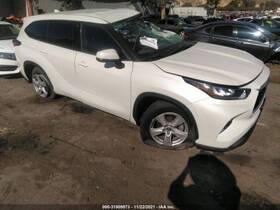
( Model: HIGHLANDR ), ( Part Type: Emergency Brake ), ( Conditions Options: Ebrake Actuator W/cable ), ( Genuine Oem: Yes ), ( Ipn: 547.to1t20 ), ( Manufacturer Warranty: 1 Year )
Review TOYOTA Highlandr Emergency Brake Parts fits 2020
The **Toyota 547.T01T20 (2020 model) Emergency Brake System** represents a critical yet often overlooked component of Toyota s advanced braking architecture, designed to ensure safety, reliability, and seamless integration with the vehicle s broader electronic stability and braking systems. This high-performance brake assembly is engineered to deliver consistent, responsive stopping power while adhering to Toyota s stringent engineering standards for durability and precision. The system features a robust **hydraulic caliper mechanism**, typically paired with a **dual-piston design**, which optimizes friction distribution across the brake rotor for even wear and superior heat dissipation essential for both daily commuting and high-performance driving scenarios. Constructed from high-grade **cast iron or aluminum alloys**, the caliper is built to withstand prolonged exposure to extreme temperatures, moisture, and road debris without compromising structural integrity or braking efficiency. Its **sealed piston system** ensures minimal fluid leakage, reducing maintenance requirements and extending the lifespan of the brake components, while the **anti-rattle clips** and **self-adjusting mechanisms** mitigate vibrations and ensure smooth operation over thousands of miles.
At the heart of this emergency brake system lies Toyota s **Electronic Brakeforce Distribution (EBD) technology**, which dynamically adjusts braking pressure between the front and rear axles based on real-time vehicle dynamics, load conditions, and road surface traction. This intelligent system enhances stability during emergency stops, particularly on slippery or uneven terrain, by preventing rear-wheel lockup while maintaining optimal front-wheel braking. The **ABS (Anti-lock Braking System) integration** further refines performance by modulating brake pressure in fractions of a second to prevent wheel lockup, allowing the driver to steer even during panic stops a feature that is particularly valuable in the 2020 Toyota models equipped with advanced driver-assistance systems like **Toyota Safety Sense 2.0 (TSS 2.0)**. The emergency brake itself is often linked to the **electronic parking brake (EPB)**, a user-friendly feature that eliminates the need for manual lever operation, instead relying on an electric motor to engage and release the brake with a simple push of a button or a touch of the infotainment screen. This not only enhances convenience but also reduces driver fatigue during prolonged parking maneuvers.
For maintenance and longevity, the **2020 Toyota emergency brake system** incorporates **high-performance brake pads and rotors** that are engineered to resist wear and corrosion, often utilizing **ceramic or semi-metallic compounds** for reduced dust, improved fade resistance, and quieter operation. The brake fluid used in this system is typically **DOT 4 or DOT 5.1**, which offers a high boiling point to prevent vapor lock under heavy braking conditions, ensuring consistent performance even during aggressive downhill descents or repeated hard stops. Toyota s commitment to sustainability is also reflected in the design, with many components featuring **recyclable materials** and **low-environmental-impact manufacturing processes**, aligning with the brand s broader eco-conscious initiatives. Whether integrated into a **Corolla, Camry, RAV4, or Highlander**, this emergency brake system exemplifies Toyota s dedication to blending cutting-edge technology with practical, driver-focused reliability, making it an indispensable part of the vehicle s overall safety and performance equation.
### Pros and Cons of Buying a 2020 Toyota 547 (Toyota 547 TO1T20) with an Emergency Brake Issue
#### **Pros:**1. **Reliability and Durability** Toyota is widely known for building long-lasting vehicles with robust engineering. The 547 series (likely a Toyota Hilux or similar model, depending on the market) is particularly renowned for its durability, making it a practical choice for heavy-duty tasks, off-roading, or commercial use.
2. **Strong Resale Value** Toyota vehicles generally hold their value well, even after a few years. This means you may recover a significant portion of your investment if you decide to sell or trade it in later.
3. **Fuel Efficiency** The 547 series typically comes with efficient diesel engines (such as the 2.8L or 3.0L turbo-diesel), which offer better fuel economy compared to gasoline alternatives, especially for long-distance or heavy-duty use.
4. **Off-Road Capability** If this model is equipped with appropriate suspension, ground clearance, and drivetrain options (like 4WD), it can handle rough terrain, mud, sand, or rocky paths effectively. This makes it ideal for outdoor enthusiasts or those in rural areas.
5. **Low Maintenance Costs** Toyota parts are widely available, and mechanics are familiar with the brand, reducing the risk of unexpected repair expenses. The engine and transmission are also designed to last for hundreds of thousands of kilometers with proper care.
6. **Safety Features** Modern Toyota models (including 2020 variants) come with advanced safety technologies such as stability control, traction control, and multiple airbags, enhancing protection in case of accidents.
7. **Versatility** The 547 series can be used for a variety of purposes, including personal transport, towing, light commercial work, or as a daily driver, depending on the configuration.
8. **Toyota s Warranty Coverage** If the vehicle still falls under the manufacturer s warranty (or extended warranty), this can provide peace of mind for potential repairs, including those related to the emergency brake system.
---
#### **Cons:**1. **Emergency Brake Issue** The most significant drawback is the malfunctioning emergency brake. This could indicate a problem with the parking brake mechanism, cables, or hydraulic system. A faulty emergency brake poses a safety risk, as it may fail to hold the vehicle in place on inclines or during parking. This will require immediate attention and could be costly to repair, depending on the root cause (e.g., worn cables, hydraulic fluid leaks, or actuator failure).
2. **Potential Hidden Problems** A vehicle with an emergency brake issue might have other underlying problems, such as worn brake pads, contaminated brake fluid, or issues with the brake master cylinder. A thorough inspection by a mechanic is essential to avoid unexpected repairs.
3. **Resale Impact** Even if the emergency brake is fixed, buyers may be wary of a vehicle with a known issue, potentially reducing its resale value. Sellers may need to disclose this problem transparently to avoid legal or trust issues.
4. **Cost of Repairs** Depending on the cause of the emergency brake failure, repairs could range from moderately priced (e.g., replacing cables or pads) to expensive (e.g., replacing the hydraulic parking brake system or master cylinder). If the vehicle is older or has high mileage, parts may also be more costly.
5. **Maintenance History** Without a complete service history, it s difficult to assess whether the emergency brake issue is due to neglect or normal wear and tear. Regular maintenance (such as brake fluid flushes and cable lubrication) is crucial for the longevity of brake systems.
6. **Potential for Further Brake Wear** If the emergency brake is not functioning correctly, it might be engaging improperly with the regular brake system, leading to uneven wear on brake pads or rotors. This could result in additional repair costs down the line.
7. **Market Availability and Competition** The 547 series (or similar models) may have alternatives from other brands (e.g., Ford Ranger, Nissan Navara, or Mitsubishi Triton) that offer comparable features at a lower price. Buyers may opt for these alternatives if the emergency brake issue is not promptly resolved.
---
### **Conclusion:**Buying a 2020 Toyota 547 (TO1T20) with an emergency brake issue presents a mixed bag of advantages and disadvantages. On one hand, Toyota s reputation for reliability, fuel efficiency, and durability makes it an attractive choice for those seeking a long-term vehicle. On the other hand, the emergency brake problem is a critical safety concern that cannot be ignored. The cost and complexity of repairing this issue will depend on the specific cause, but it is a non-negotiable factor that must be addressed before considering the purchase.
If the emergency brake issue is minor (e.g., a simple cable adjustment or replacement) and the seller is willing to fix it or offer a discount, the vehicle could still be a worthwhile investment. However, if the problem is severe (e.g., hydraulic system failure or extensive wear), the repair costs may outweigh the vehicle s value, making it a less attractive proposition.
---
### **Recommendation:**1. **Inspect Thoroughly** Before purchasing, have a trusted mechanic perform a detailed inspection of the emergency brake system, including the cables, hydraulic components, and parking brake mechanism. Request a written report outlining the findings and estimated repair costs.
2. **Negotiate the Price** If the emergency brake issue is confirmed, use this as leverage to negotiate a lower purchase price. Alternatively, ask the seller to cover the cost of repairs as part of the deal.
3. **Budget for Repairs** Ensure you have the financial resources to address the emergency brake problem immediately. Avoid purchasing the vehicle if you cannot afford the necessary repairs, as this could lead to further complications or safety hazards.
4. **Consider Alternatives** If the repair costs are prohibitive or if the vehicle s overall condition is questionable, explore other Toyota models (such as a newer Hilux or Tundra) or comparable vehicles from other brands that do not have known issues.
5. **Test Drive and Verify Functionality** During the test drive, engage the emergency brake to ensure it holds the vehicle securely on an incline. Pay attention to any unusual noises, vibrations, or resistance when activating the brake.
6. **Check for Additional Issues** While inspecting the emergency brake, have the mechanic check the regular brake system, brake fluid condition, and overall vehicle health. Addressing minor issues upfront can save you from larger problems later.
**Final Verdict:** The 2020 Toyota 547 (TO1T20) is a capable and reliable vehicle, but the emergency brake issue is a dealbreaker unless it is promptly and affordably resolved. If you are prepared to invest in repairs and the vehicle passes all inspections, it could be a sound purchase. However, if the cost of fixing the emergency brake is high or if other underlying issues are discovered, it may be wiser to look elsewhere. Always prioritize safety and long-term reliability over short-term savings.
Details:
Very happy customer, excellent value and service. Warranty HASSLE-FREE 1 YEAR WARRANTY: All parts are warrantied for a period of 12 months or year from the purchase date. Easy to find parts that don't require a mechanics knowledge. Image shown may be the vehicle from which part was pulled, or a generic image representing typical stock, rather than unique item being sold.
If something is wrong with an order, we certainly do want to help you. More Parts: 1 Year Warranty. Please compare part numbers BEFORE purchasing. Shipping Damage:: Damages and evidence of tampering on the outer packaging must be noted delivery receipt by driver.
Model: HIGHLANDR. Free shipping only applies to items you keep. Quality, Assured Parts All are Quality Tested Inspected. HIGHLANDR 2020 Emergency Brake Parts 9800852: EBRAKE ACTUATOR W/CABLE Included: Hassle-free 1 Year Warranty Our Part #: 9800852.
Please disregard other fitment charts they may not be correct.
part #: 547.to1t20 price
- $150.00
specifications parkingbrakecablesaz:
- for makes: Toyota
- for years: 2020
- model: Highlandr
- part type: Emergency Brake
- conditions options: Ebrake Actuator W/cable
- genuine oem: Yes
- ipn: 547.to1t20
- manufacturer warranty: 1 Year
offer parkingbrakecablesaz:
- quantity: 1
- options: Ship-to-home
- sold: 0
- availability: In Stock
- started: March 11, 2026
- best offers: True
shipping parkingbrakecablesaz:
- type: Fixed
- service: Flat Rate Freight
- cost: $25.00
- class: Freight
payments parkingbrakecablesaz:
- credit card: Discover
- wallet: Apple-pay
- other
general parkingbrakecablesaz:
- condition: Used
- Car Truck Parts Accessories > Brakes Brake Parts > Brake Cables
seller parkingbrakecablesaz:
- # reviews: 23102
- rating: 97.1%
- city: Rancho Cordova, California
returns parkingbrakecablesaz:
- policy: Returns Accepted
- time: 60 Days
- paid by: Buyer
Toyota 9800852 Is Similar To:
- 00-06 Toyota Tundra Standard or Access Cab Emergency Brake Ebrake Pedal (45.1% similar) Not what you're looking for...(June 8th, 2014)
- 03 Toyota Celica Emergency Brake (53.2% similar) Parts external to the cylinder block and heads. Are not warranted. In event of defect, promptly notify warrant. Availed, TX properly tighten all parts to manufactures suggested specifications. Dismantling of parts for any reason. Flush drain and replace fluids to systems manufacturers suggested ...(June 13th, 2017)
- 03 Toyota Prius Emergency Brake (51.6% similar) For expedited shipping requests. All other parts that may be provided are deemed accessories and extra. If you are not sure the part advertised is compatible with your vehicle. Windshield and other glass breakage. If an item arrives damaged, please within 24 hrs for instructions. Using the incorrect...(December 30th, 2017)
- 04 Toyota Corolla Emergency Brake (54.7% similar) Installation of parts in any non-stock application off-road racing, conversion, fleet or commercial application, etc. Used engines guaranteed against rod knock, excessive smoking, and oil consumption. All engines are stamped and have a heat tab installed which has that will melt if the temperature ...(October 4th, 2017)
- 05 Toyota Prius Emergency Brake (51.6% similar) We answer all messages within 24 hours. Using the incorrect types and levels of fluids lubricants as outlined in owners manual. Windshield and other glass breakage. For expedited shipping requests. All other parts that may be provided are deemed accessories and extra...(December 30th, 2017)
- Beck Parking Toyota Cable Brake 1979-1983 Fits Pickup Arnley 094-0556 (33.6% similar) Beck anally supplied your vehicles manufacturer with the brake cable. Est, Mon to Fri...(October 25th, 2014)
- Parking Brake Cable Rear BECK ARNLEY 094-1176 fits 86-88 Toyota Pickup (25.8% similar) About the brand beck/anally is a leading supplier of genuine foreign nameplate parts. No other supplier of import parts offers a library nearly as comprehensive as beck/anally's...(April 24th, 2014)
- 111.09060 Centric For Toyota Highlander Premium Rear Parking Brake 805890337829 (42.6% similar) These asbestos-free compounds are specially formulated and Dino tested to ensure predictable braking performance meet oe specifications. With specially formulated and Dino tested asbestos-free formulation, these brake compounds meet or exceed oe specifications. Features: premium quality and ...(December 18th, 2018)
- Emergency 1 Handle 12058 91 Toyota Previa Rod Hot Brake (25.6% similar) If an item arrives damaged, please through within 24 hrs for instructions. No expedited shipping is available. N new part manufactured from scratch...(October 6th, 2014)
- 4 Lever 13691 Oem Emergency Runner 97 Brake Hand Toyota (39.3% similar) All trims parts are sold without clips mounting hardware. It will show signs of wear such as scuffs and scratches. Damaged or parts only items are sold as is...(September 13th, 2014)
- 18p2921 Acdelco Professional Durastop Parking Brake Cable Front Pro Fits Toyota (27% similar) ...(March 5th, 2018)