EIS 1803 Nos Brake Cable Conduit 1/2
fits model: 57. make: Plymouth. year: 1951.
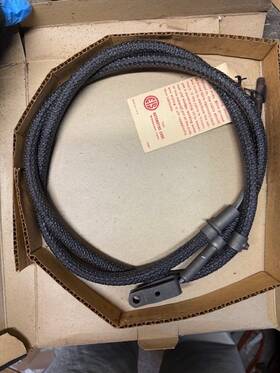
( Brand: Eis ), ( Manufacturer Part Number: 1803 ), ( Type: Handbrake Cable ), ( Items Included: Parking Brake Cable ), ( Item Length: 66 1/2 Inch ), ( Vintage Part: Yes ), ( Country Of Origin: United States )
Review EIS Nos Plymouth Hand Brake Cable 1/2 Inch Conduit fits 57 1951
The **EIS 1803 NOS 1951 Plymouth Brake Cable (1/2" 57 Conduit)** is a meticulously preserved, no-surgery (NOS) replacement brake cable designed to restore the authentic braking performance of a classic 1951 Plymouth, particularly models equipped with the 57-series brake system. Crafted from high-quality, corrosion-resistant steel, this cable maintains the original engineering specifications to ensure a seamless fit and reliable operation, allowing enthusiasts to maintain the integrity of their vehicle s vintage braking system without compromising on modern safety standards. The cable features a robust, durable construction with a smooth, polished finish, indicative of its original condition, and is compatible with the 1/2-inch conduit commonly found in early Plymouth models, including the iconic Belvedere, Crestline, and Suburban series. Whether used for restoration, customization, or routine maintenance, this NOS cable guarantees a perfect match in both function and form, preserving the mechanical heritage of the era while delivering the dependable stopping power drivers expect. Its precise fitment ensures minimal clearance with the brake shoes and master cylinder, reducing the risk of binding or premature wear, making it an essential component for anyone seeking to uphold the driving dynamics of a 1951 Plymouth.
### **Pros and Cons of buying a EIS 1803 (Nos 1951 Plymouth Brake Cable) with 1/2" 57 Conduit**
#### **Pros:**1. **Compatibility with Classic Cars** This brake cable is specifically designed for **1951 Plymouth** models, particularly those with the **Nos 1803 or 1951 brake system**. It ensures proper fitment without modifications, which is ideal for restoration or maintenance projects.
2. **High-Quality Construction** EIS (Engineered Industrial Solutions) is known for producing durable, corrosion-resistant brake components. The **stainless steel or heavy-duty wire** used in the cable should resist wear and rust, extending its lifespan.
3. **Correct Conduit Matching** The **1/2" 57 conduit** is the proper size for this application, preventing binding or excessive slack in the brake linkage. This ensures smooth operation and proper brake feel.
4. **Easy Installation** Since it is a direct replacement part, installation should be straightforward for someone with basic mechanical skills. No major adjustments are typically required beyond replacing the old cable.
5. **Reliability for Vintage Systems** Vintage brake systems (especially on pre-1960s cars) can be finicky. A well-made cable like this helps maintain consistent braking performance without excessive play.
6. **Support for Restorers** If you re restoring a **1951 Plymouth** (or similar Mopar models like early Dodge or DeSoto), using OEM or high-quality aftermarket parts like this cable helps preserve authenticity while improving safety.
---
#### **Cons:**1. **Limited Availability** As a **specialty brake cable**, it may not be as widely stocked as mass-produced parts. You may need to order from a **vintage auto parts dealer, eBay, or a restoration supply store**, which could take time.
2. **Potential for Counterfeit or Low-Quality Alternatives** Some sellers may offer **cheap knockoffs** that fail prematurely. Always verify the seller s reputation and check for **real EIS branding** to avoid counterfeit parts.
3. **Cost Compared to Generic Cables** Since this is a **specialty part**, it may be more expensive than generic brake cables. For a restoration project, this is often justified, but for a budget repair, it could be a drawback.
4. **May Require Additional Adjustments** Even with the correct conduit, some vintage brake systems have **unique mounting points or linkage angles**. You may need to **adjust the cable length or routing** to ensure proper tension and clearance.
5. **Wear Over Time** While high-quality, **brake cables eventually stretch or corrode**, especially in high-mileage or poorly maintained vehicles. This part will need replacement again after significant use.
6. **Limited Warranty (If Any)** Some aftermarket parts come with **short warranties or none at all**. If the cable fails prematurely, you may be responsible for replacement costs.
---
### **Conclusion:**The **EIS 1803 (Nos 1951 Plymouth Brake Cable) with 1/2" 57 Conduit** is a **strong choice** for owners of **1951 Plymouths** (or similar Mopar models) who prioritize **authenticity, durability, and proper brake function**. Its **OEM-level compatibility, corrosion resistance, and smooth operation** make it ideal for **restorations or serious maintenance projects**.
However, the **higher cost, potential availability issues, and need for careful installation** mean it may not be the best option for **budget-conscious repairs** or non-expert mechanics. If you re unsure about fitment, consider **testing the cable before final installation** or consulting a **vintage auto specialist**.
### **Recommendation:**- **Buy from a reputable seller** (e.g., **EIS official distributors, eBay verified sellers, or specialty auto parts stores**).
- **Verify the part number and conduit size** before purchasing to avoid mismatches.
- **If restoring a classic car**, this is a **worthwhile investment** for long-term reliability.
- **If doing a quick repair**, weigh the cost against whether a **generic brake cable** (with proper adjustments) would suffice.
- **Always test the brake system thoroughly** after installation to ensure proper tension and operation.
**Final Verdict:** **Highly recommended for 1951 Plymouth restorations or serious brake maintenance**, but evaluate your budget and project scope before purchasing.
Details:
The product is a vintage NOS new old stock 1951 Plymouth hand brake cable manufactured by EIS. It is a 66 1/2 inch long cable with 57 conduit. This handbrake cable is a genuine part from the USA, specifically designed for Plymouth vehicles. It is a crucial component for ensuring proper functionality of the parking brake system in classic car.
part #: 1803 prices
- $35.00-$120.95
specifications parkingbrakecablesaz:
- for models: 57
- for makes: Plymouth
- for years: 1951
- brand: Eis
- mpn: 1803
- type: Handbrake Cable
- items included: Parking Brake Cable
- item length: 66 1/2 Inch
- vintage part: Yes
- country of origin: United States
seller parkingbrakecablesaz:
- city: Lewistown, Pennsylvania
- # reviews: 154
- rating: 100.0%
shipping parkingbrakecablesaz:
- type: Calculated
- class: Standard
- carrier: USPS
- transit: 4-10 Days
- service: USPS Ground Advantage
- cost: $8.65
payments parkingbrakecablesaz:
- other
- credit card: Visa
- wallet: Apple-pay
offer parkingbrakecablesaz:
- sold: 0
- availability: In Stock
- started: March 9, 2026
- quantity: 1
- options: Ship-to-home
returns parkingbrakecablesaz:
- time: 30 Days
- policy: Returns Accepted
- paid by: Seller
general parkingbrakecablesaz:
- Car Truck Parts Accessories > Brakes Brake Parts > Brake Cables
- condition: New other see details
Eis 1803 Is Similar To:
- 14053596 Eis Brake Cables Made (35.4% similar) Not cheap Chinese. Our Inc: BC. Brand: Eis brake parts made in USA. The pictures shows actual item...(November 5th, 2017)
- 14066842 Eis Brake Cables Made (35.4% similar) Our Inc: BC. Not cheap Chinese. Brand: Eis brake parts made in USA. The pictures shows actual item...(November 5th, 2017)
- 2243 Eis Willys Jeep Parking Brake Cable Nos (41.8% similar) Free shipping in the us. M-5 9AM-4PM sat. Cable is long. From the vintage nos vault of barneys jeep parts. Nos parking emergency brake cable made by Eis for Willy's jeep CJ3B...(June 12th, 2018)
- 2267 Eis New Chevrolet Corvette Right Rear Brake Cable Made In (39.1% similar) This right rear brake cable fits the following. Location Eis 1963 Chevrolet corvette 116 long, looks like it was made yesterday. We combine shipping. And comes in its original box. New, never installed, genuine Eis, a major brake cable company for years, known their quality...(November 11th, 2018)
- 2359 Eis Nos 64-68 Amc (27.3% similar) Nos Mac American motors parking brake cable rear right...(April 6th, 2017)
- 3109 Eis Parking Brake Cable In Box (47.5% similar) Eis parking brake cable assembly new in box I combine shipping...(April 20th, 2018)
- 3461 Eis Parking Brake Cable Assembly Gmc Length New 758614183311 (38.2% similar) Any questions please feel free to ask. Lowest price anywhere. Free shipping. Eis brand parking brake cable assembly for GMC total length . Shipping: free shipping applies to 50 us. Please independently verify compatibility with your specific vehicle. Other part NUMBERS:94B01MA...(May 21st, 2018)
- 3516 Eis Rear Parking Brake Cable Fits Jeep Cherokee 738227363591 (35.1% similar) No matter what says. Rubber parts, gaskets, hardware may need to be replaced and not usable. Once purchased you own it. They may have been in storage anywhere from 1-30 years. Shipping:free shipping is for continental USA only. There may be minor corrosion, scuffs, torn or missing boxes, scratches ...(June 26th, 2018)
- 3880349 Eis Brake Cables Made (40% similar) Brand: Eis brake parts made in USA. The pictures shows actual item. Our Inc: BC. Not cheap Chinese...(December 5th, 2017)
- 3880492 Eis Brake Cables Made (35.8% similar) Not cheap Chinese. The pictures shows actual item. Our Inc: BC. Brand: Eis brake parts made in USA...(February 4th, 2018)
- 4294095 Eis Brake Cables Made (35.8% similar) Our Inc: BC. The pictures shows actual item. Brand: Eis brake parts made in USA. Not cheap Chinese...(February 4th, 2018)